
What does luxury mean to you?
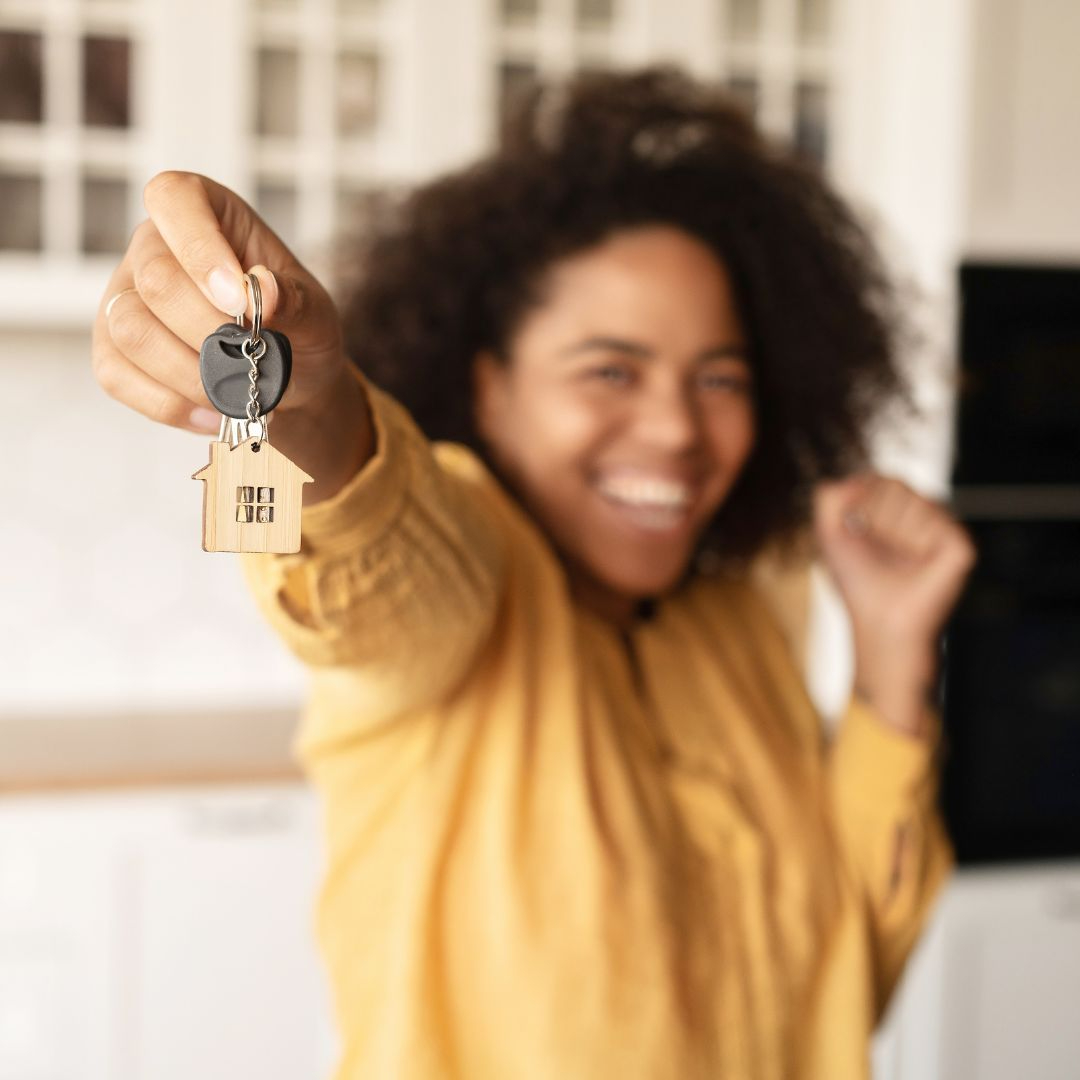
For a growing number of South African women, the answer no longer waits for a ring, a partner, or permission. It's a set of keys with only one name on the deed.
The Numbers Behind the Shift
Lightstone's most recent data, released in January 2026, confirms what the property industry can no longer treat as a footnote: women are now involved in 70% of residential property transactions nationwide, whether buying solo or alongside a partner. Of the 156,900 individual buyers Lightstone tracked over the most recent 12-month window, individual women accounted for 36% of purchases outright, women buying jointly with a male partner made up another 33%, and women-only partnerships added 1%.
The momentum is accelerating, not plateauing. Standard Bank data released in April 2026 shows new home loan registrations by women grew 33% in 2025, and first-time female buyers rose threefold between 2024 and 2025 alone, a shift visible nationally and especially pronounced in Gauteng and the Western Cape. Across the broader first-time buyer market, the average age has dropped to 38 in 2025, three years younger than it was five years earlier, even as the average first-home purchase price climbed past R1 million.
This Isn't a Trend. It's an Identity Shift.
Behind every one of these transactions is the same quiet declaration: a home bought on her own terms, timed to her own life, is not a consolation prize. It's the goal.
That's the real story here, and it's bigger than affordability or interest rates. For decades, property ownership was scripted around a household narrative: a couple, a family, a joint bond. What the data now shows is a generation of women, from corporate executives to entrepreneurs to upwardly mobile professionals, deciding that waiting for that script was never the point. Home has become a statement of arrival, not a milestone that follows one.
Why This Matters for How Homes Get Marketed
An industry built on selling to households now has to sell to individuals with a completely different set of priorities: presentation quality, location prestige, security, design sensibility, and a home that reflects who they are, not just what they can afford.
This is exactly why storytelling now outperforms square footage. A listing that simply states bedrooms and bathrooms speaks to a transaction. A cinematic tour that captures how morning light falls across a kitchen island, or how a home office anchors a woman's next chapter, speaks to an identity. Single women aren't just buying property differently, they're buying into a narrative about who they're becoming. Agencies that keep marketing to the old household model will keep missing this buyer entirely.
The Opportunity Ahead
If women are already involved in seven out of every ten property transactions, and first-time female buyers tripled in a single year, they're not a niche to accommodate. They're the market to build around.
The brands that will win this decade aren't the ones with the most listings. They're the ones who understand that for this buyer, a home was never just an asset. It was always the clearest expression of a life she built herself.